
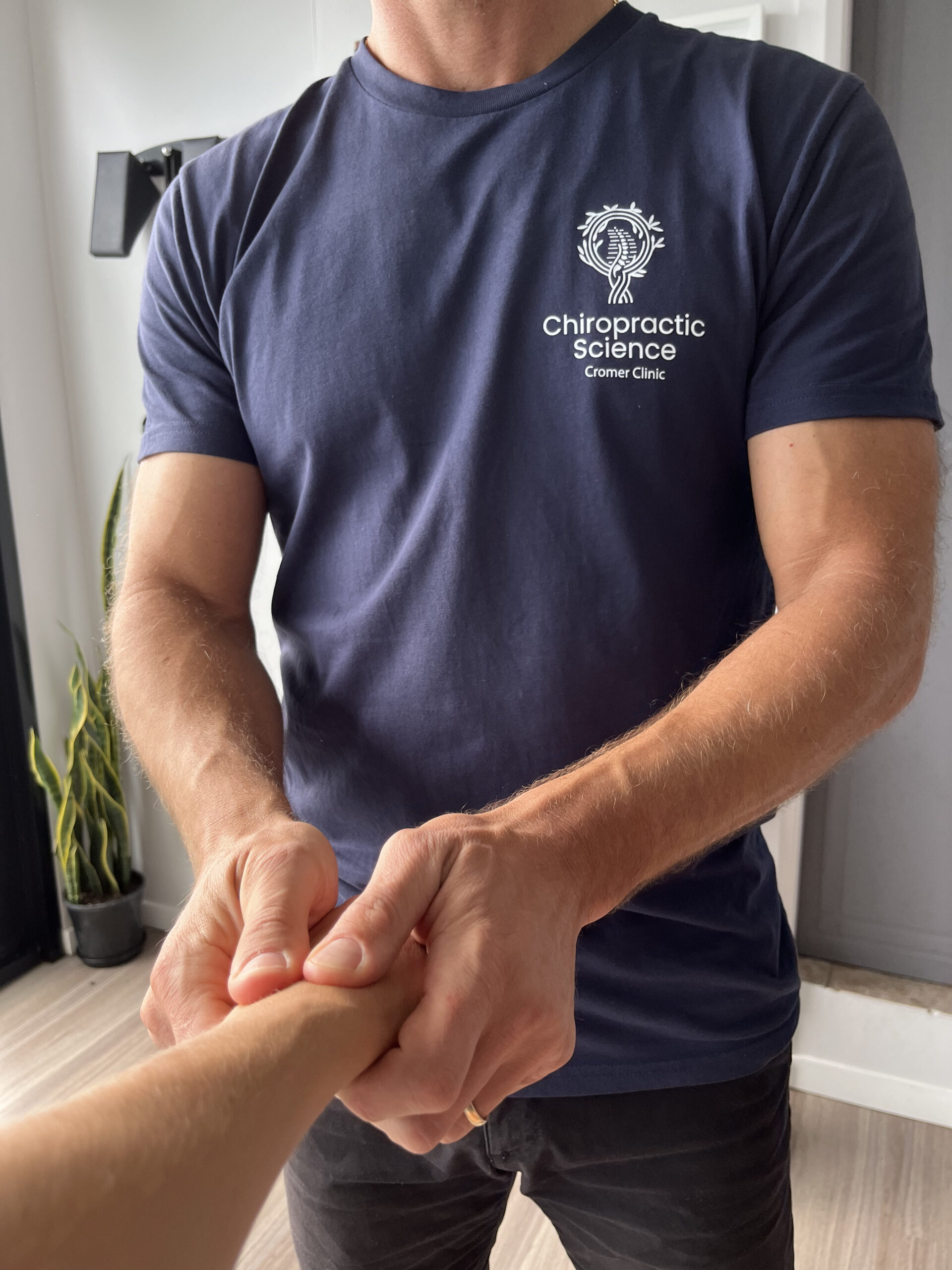
Carpal Tunnel Syndrome (CTS) is a condition caused by compression of the median nerve as it passes through the carpal tunnel in the wrist. This compression can interfere with normal nerve function and lead to ongoing discomfort.
CTS can cause a variety of symptoms, including:
Numbness, tingling, or burning sensations in the fingers (especially the thumb, index, and middle finger)
Weak grip strength and difficulty holding objects
Pain that may radiate up the forearm
Symptoms that worsen at night or during repetitive hand activities
While CTS is commonly believed to originate only in the wrist, research suggests that up to 85% of cases actually begin in the neck. Misalignments (subluxations) in the C5, C6, or C7 vertebrae can create tension and inflammation, affecting the nerves responsible for controlling the muscles and soft tissues that support the carpal bones.
Cervical spine dysfunction can lead to:
Weakening of the stabilizing muscles in the wrist
Loss of proper carpal bone alignment
Increased pressure on the median nerve
When the natural arch formed by the carpal bones collapses due to misalignment, direct nerve compression occurs.
This condition is often aggravated by repetitive hand movements such as typing, manual labor, or fine motor tasks. These activities prevent the body from healing properly and can accelerate nerve irritation.
Nerves are the slowest-healing tissue in the body. If compression and irritation continue, the nerve can suffer long-term damage, making recovery significantly more difficult. The longer treatment is delayed, the longer symptoms may take to resolve—making early intervention essential.
We focus on correcting the root cause of carpal tunnel rather than simply masking symptoms.
Our comprehensive approach includes:
Flexion and extension X-rays or MRI to assess misalignments in the spine, shoulder, elbow, and wrist
Precise chiropractic adjustments of the cervical spine, shoulder, elbow, and wrist
Soft tissue release therapy to reduce muscle tension and improve circulation
Strengthening exercises to restore function and help prevent recurrence
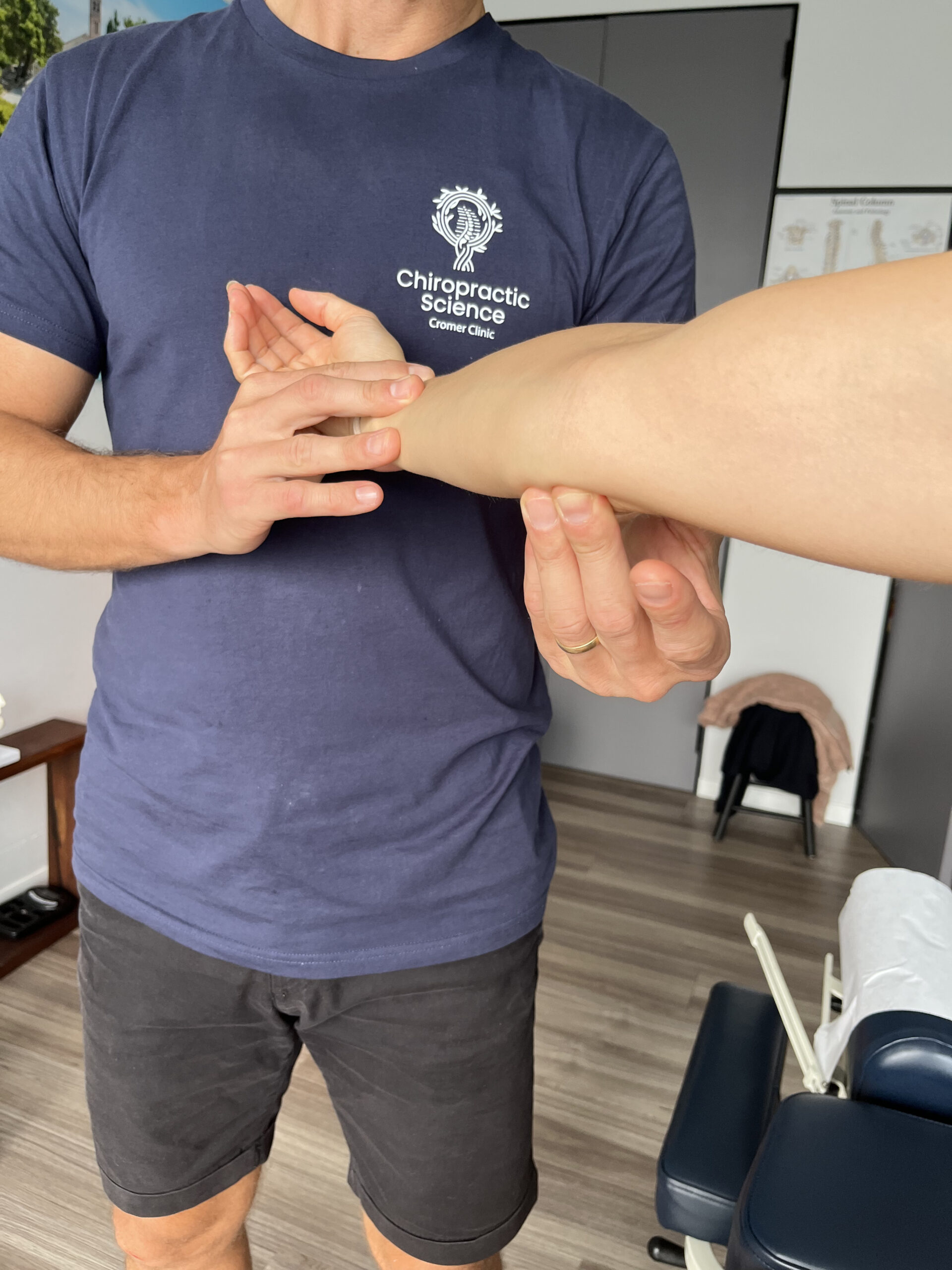
Research supports the link between neck dysfunction and carpal tunnel syndrome:
Studies suggest cervical radiculopathy can mimic or contribute to CTS (Murphy et al., 2009).
Research published in the Journal of Manipulative and Physiological Therapeutics found cervical chiropractic adjustments improved CTS symptoms (Burke et al., 2007).
Additional studies highlight the relationship between cervical subluxations and peripheral neuropathies such as CTS (Seffinger et al., 2010).
If you are experiencing numbness, weakness, or pain in your hands, don’t wait for symptoms to worsen. Book an appointment at Chiropractic Science in Cromer and begin addressing the root cause of your carpal tunnel syndrome before permanent nerve damage occurs.
Don’t let carpal tunnel syndrome progress to the point of long-term damage. Contact us today and take the first step toward lasting relief and restored hand function.