
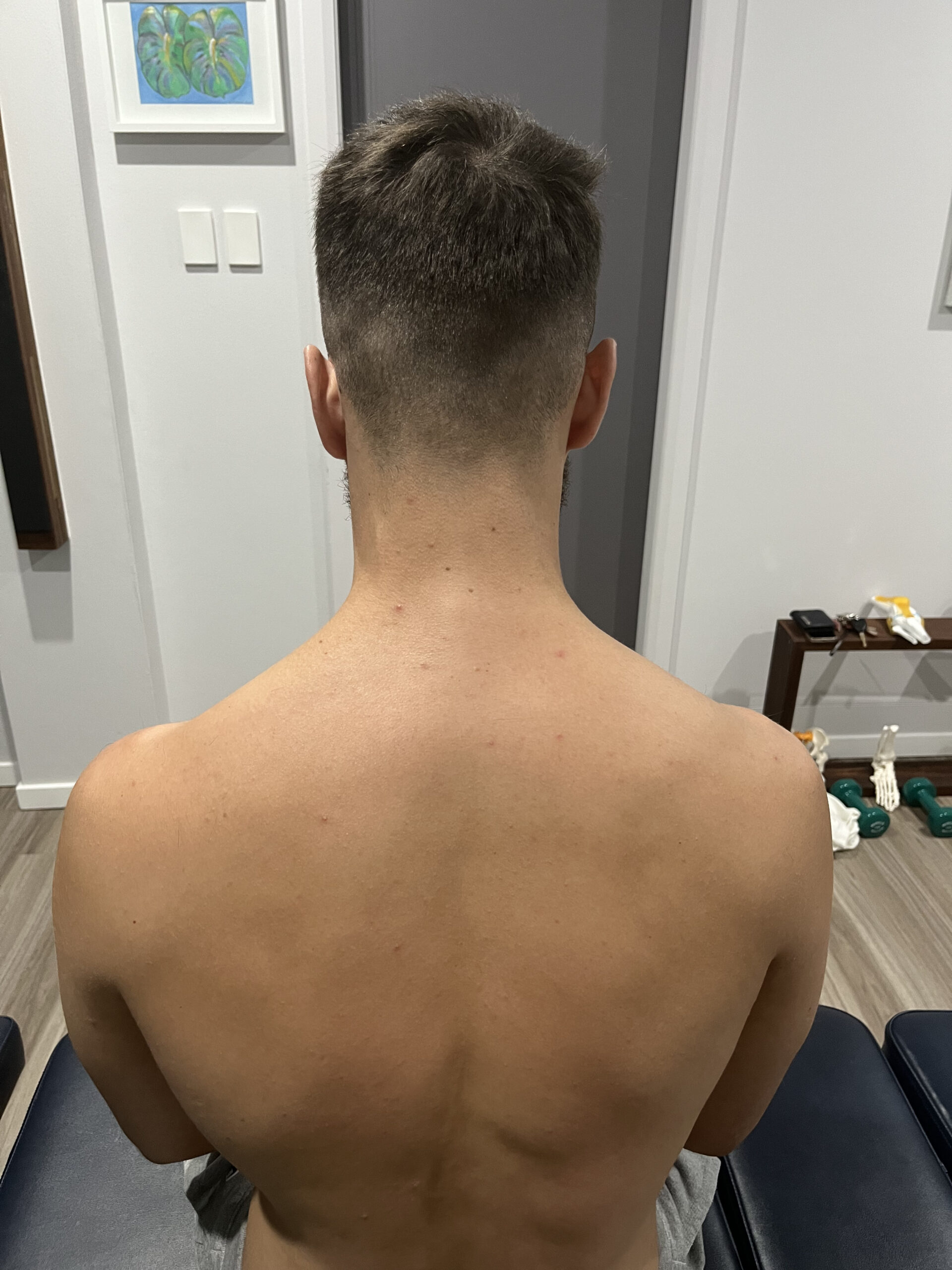
Headaches and migraines are among the most common neurological disorders, affecting millions of people worldwide.
They can significantly impact daily life, causing discomfort, fatigue, and difficulty concentrating.
While headaches can result from stress, poor posture, dehydration, or muscle tension, migraines are often more complex, involving neurological and vascular changes that can trigger severe pain, nausea, and sensitivity to light and sound.
Tension Headaches:
Often caused by muscle tension, stress, and poor posture, leading to a dull, aching pain around the head and neck.
Cervicogenic Headaches:
Originating from dysfunction in the cervical spine, these headaches present as pain radiating from the neck to the head.
Upper cervical misalignments can lead to referral pain in the head and face, contributing to persistent headaches.
Cluster Headaches:
Severe, recurring headaches that typically affect one side of the head, often around the eye.
Migraines:
Intense, throbbing headaches that can last for hours or days, often accompanied by nausea, visual disturbances, and heightened sensitivity to stimuli.
Migraines can be triggered by dietary factors, emotional stress, and neurological imbalances.
Chiropractic adjustments aim to improve spinal alignment and relieve tension that may contribute to headaches and migraines.
Common chiropractic approaches include:
Spinal and Cervical Adjustments:
Addressing misalignments in the neck and upper spine to reduce nerve irritation and improve blood flow.
Soft Tissue Therapy:
Relieving muscle tension in the neck and shoulders that may contribute to headache frequency and severity.
Trigger points in the neck can be a major source of headaches and need to be properly addressed.
Postural and Ergonomic Advice:
Helping patients adopt better posture and workstation habits to minimize strain on the neck and upper back.
A stiff upper back can force the neck to overcompensate, leading to overworked neck muscles and chronic headaches.
Lifestyle and Nutritional Guidance:
Identifying potential dietary triggers and promoting habits that support overall neurological health.
Tinnitus and Ear Issues:
Dysfunction in the upper cervical spine can contribute to tinnitus and other ear-related issues.
Chiropractic care aims to restore proper alignment and reduce nerve interference to help manage these conditions.
The most important step in treating headaches is correctly diagnosing which type of headache the patient has.
Different headache types require different treatments, and a tailored approach ensures the most effective relief.
At Zadar Sport Spine and Wellness, we conduct thorough assessments to determine the root cause of your headaches and create a treatment plan suited to your specific needs.
An adjusted nervous system, free from nerve interference, provides the best possible outcome for managing any type of headache.
Proper spinal alignment ensures optimal nerve function, reducing the likelihood of recurring headaches and migraines.