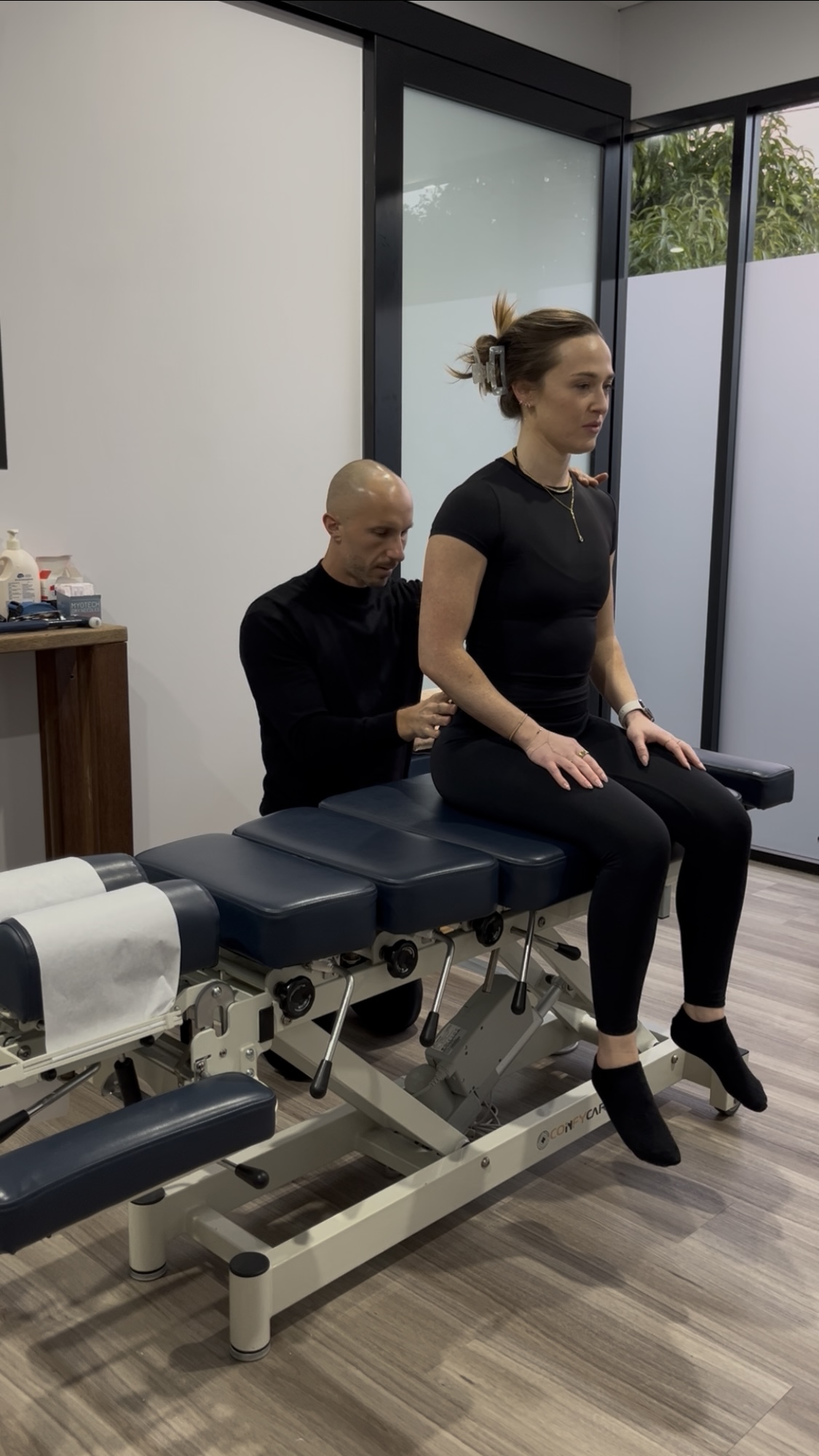
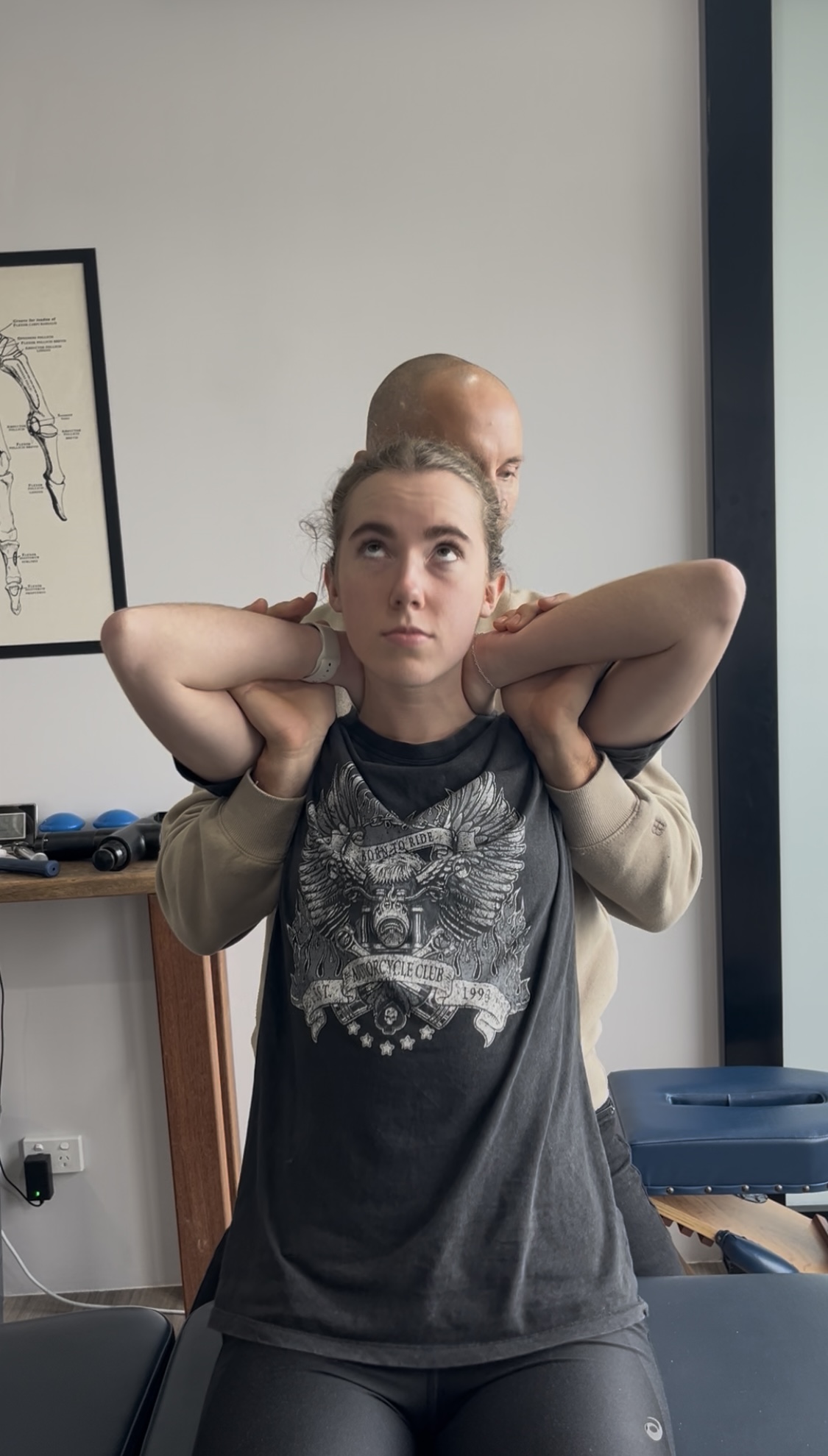
Your brain communicates with your body through the spinal cord and nerves. This communication controls movement, posture, healing, immune function, digestion, breathing, and organ regulation. When this system works well, the body functions at a higher level.
Chiropractic care focuses on restoring proper spinal and joint movement so the nervous system can communicate clearly with the rest of the body.
Chiropractic is centered on optimizing nervous system function by improving spinal and joint mechanics. When spinal motion is restored, nerve communication improves, allowing the body to perform and heal more efficiently.
The nervous system is not just one system among many — it is the control system for all systems in the body.
It regulates:
Muscle strength and coordination
Joint movement and posture
Pain perception
Healing and tissue repair
Inflammation control
Organ function
Stress and recovery
This concept is known as neural supremacy — the idea that the quality of nervous system function directly affects the health of every other system in the body.
When nerve communication is strong and clear, the body can adapt, heal, and perform efficiently.
The spine protects the spinal cord and allows movement. When spinal joints lose normal motion or alignment, they can irritate surrounding nerves and soft tissues. Over time, this can lead to:
Pain and stiffness
Inflammation
Muscle weakness or tightness
Reduced mobility
Slower healing
Changes in posture and biomechanics
Chiropractic adjustments restore normal joint motion, reduce irritation, and improve nervous system communication. This allows the body to function and heal more effectively.
Chiropractic care is based on the understanding that the body is self-healing and self-regulating when interference is removed.
Rather than focusing only on symptoms, chiropractic looks at function — how well the spine, nervous system, and joints are working together.
The body has an innate ability to heal and adapt
The nervous system controls all coordination and healing
Spinal and joint dysfunction can interfere with nerve communication
Restoring normal movement improves function and recovery
True health is about how well the body works, not just how it feels

A Doctor of Chiropractic (DC) is a university-trained healthcare professional specializing in the diagnosis and treatment of spinal, nervous system, and musculoskeletal conditions.
Chiropractors are trained to:
Take detailed medical histories
Perform orthopaedic and neurological examinations
Diagnose mechanical and functional disorders
Read and interpret X-rays, MRI, and CT scans
Provide precise manual chiropractic adjustments
Use soft tissue and rehabilitation techniques
Recognize when referral to medical specialists is required
Chiropractors do not guess — care is based on examination, diagnosis, and clinical findings.
Includes:
Human anatomy
Physiology
Neurology
Pathology
Biochemistry
Radiology and imaging interpretation
Orthopaedics
Clinical diagnosis
Evidence-based practice
Includes:
Advanced spinal biomechanics
Chiropractic adjusting techniques
Extremity joint care (shoulders, hips, knees, ankles, wrists)
Soft tissue and fascial techniques
Supervised clinical internships with real patients
Chiropractors must pass national board exams and continue professional education throughout their careers.
People seek chiropractic care for more than pain relief. Many choose chiropractic to improve function, prevent injury, and support long-term health.
Common benefits include:
Reduced pain and inflammation
Improved joint mobility
Better posture and movement
Enhanced nervous system function
Faster recovery from injury
Improved physical performance
Chiropractic care supports the body’s natural ability to function and heal.
At Zadar Sport Spine and Wellness, chiropractic care is focused on precision, diagnosis, and results.
Care includes:
Thorough examination and assessment
Spinal and extremity adjustments
Nervous system–focused care
Fascial system integration
Individualized treatment plans
Evidence-informed clinical decision-making
The goal is simple:
restore movement, reduce inflammation, and optimize nervous system function.