
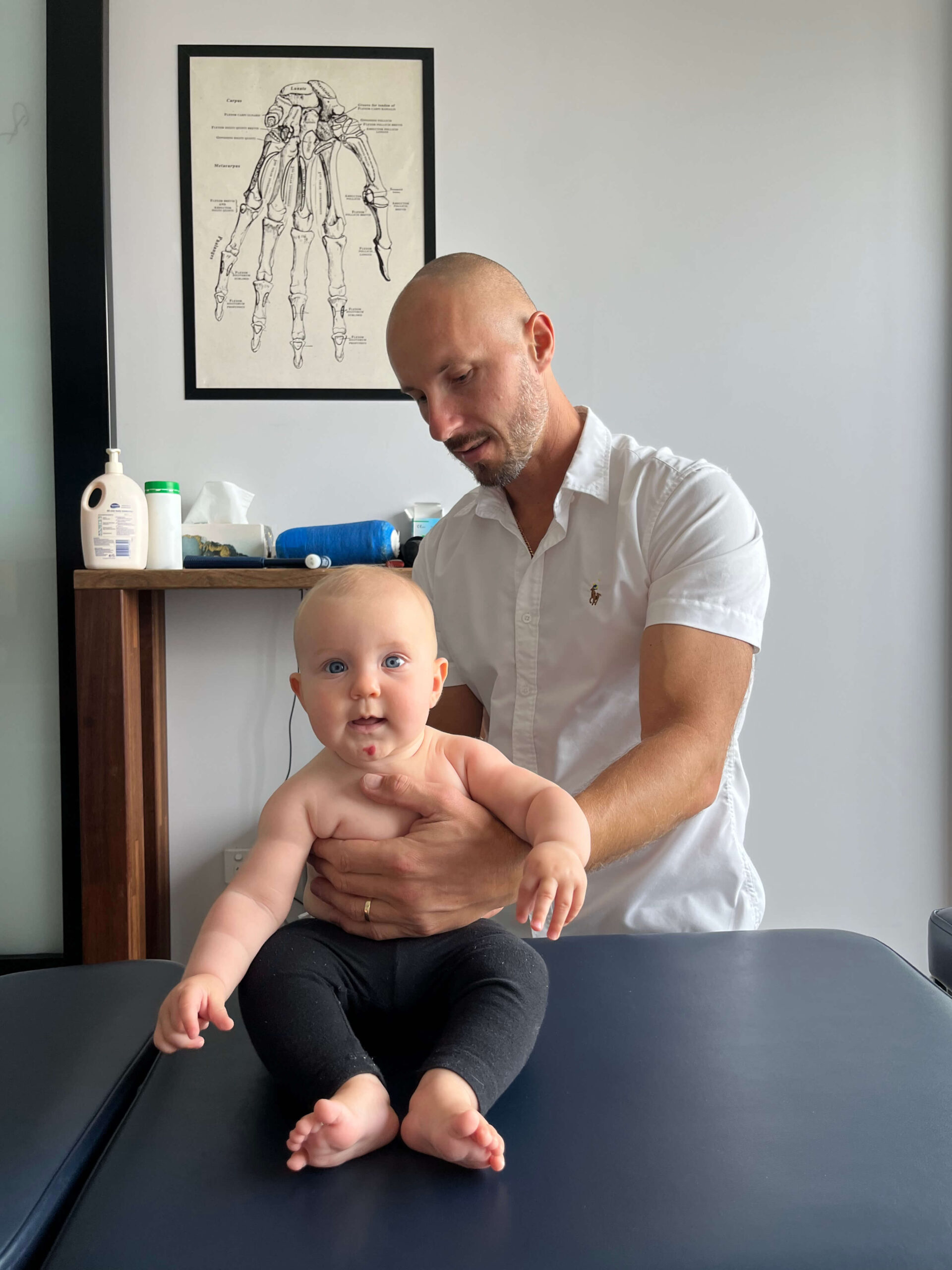
Children’s bodies grow and change rapidly. From birth through early childhood, the spine, nervous system, and bones are constantly adapting to movement, posture, and physical stresses. Chiropractic care for kids focuses on supporting healthy spinal function during these important developmental years.
Birth is a powerful physical process. As a baby passes through the birth canal, significant forces are placed on the head, neck, and spine. Even in normal deliveries, this can create tension or restricted movement in the upper neck.
Medical researcher Dr. Godfrey Gutmann (MD, PhD) studied newborns shortly after birth and found that many showed signs of strain or dysfunction at the top of the neck, particularly around the base of the skull. These early mechanical stresses may influence how a child moves, feeds, turns their head, and develops posture as they grow.
Bones are not fixed structures — they grow and adapt based on how they are used. This principle is known as Wolff’s Law.
Simply put:
Balanced movement and loading → healthy bone development
Uneven or abnormal loading → bones adapt to that stress
In children, whose bones are still forming, poor movement patterns or ongoing mechanical stress can influence how bones, joints, and posture develop over time. Supporting good spinal mechanics early helps guide healthier growth patterns.

When babies learn to sit, crawl, and walk, falling is part of the process. Most falls are harmless — but repeated falls often land on the bottom or sacrum, which is the foundation of the spine.
If the sacrum becomes restricted or stressed, the body may compensate by changing posture or movement higher up the spine. Over time, these compensations can affect how a child moves, balances, and holds their posture.
Chiropractic assessment looks at how the spine moves as a whole, helping identify and address these patterns early before they become long-term habits.
Children don’t usually complain of pain — instead, their bodies adapt. While adaptation can be helpful short-term, repeated compensation patterns may show up later as:
Poor posture
Reduced movement efficiency
Recurrent aches or stiffness
Increased strain during sport or activity
Chiropractic care aims to support normal spinal movement and nervous system function so children can grow, move, and develop with greater ease.
Dr. Godfrey Gutmann – Birth Trauma & Infant Spine
https://chiro.org/pediatrics/ABSTRACTS/Pregnancy_and_Chiropractic.shtml
Wolff’s Law – Bone Adaptation to Load
https://en.wikipedia.org/wiki/Wolff%27s_law
Spinal Stress & Subluxation in Children
https://dynamicchiropractic.com/article/40042-spinal-subluxations-in-children
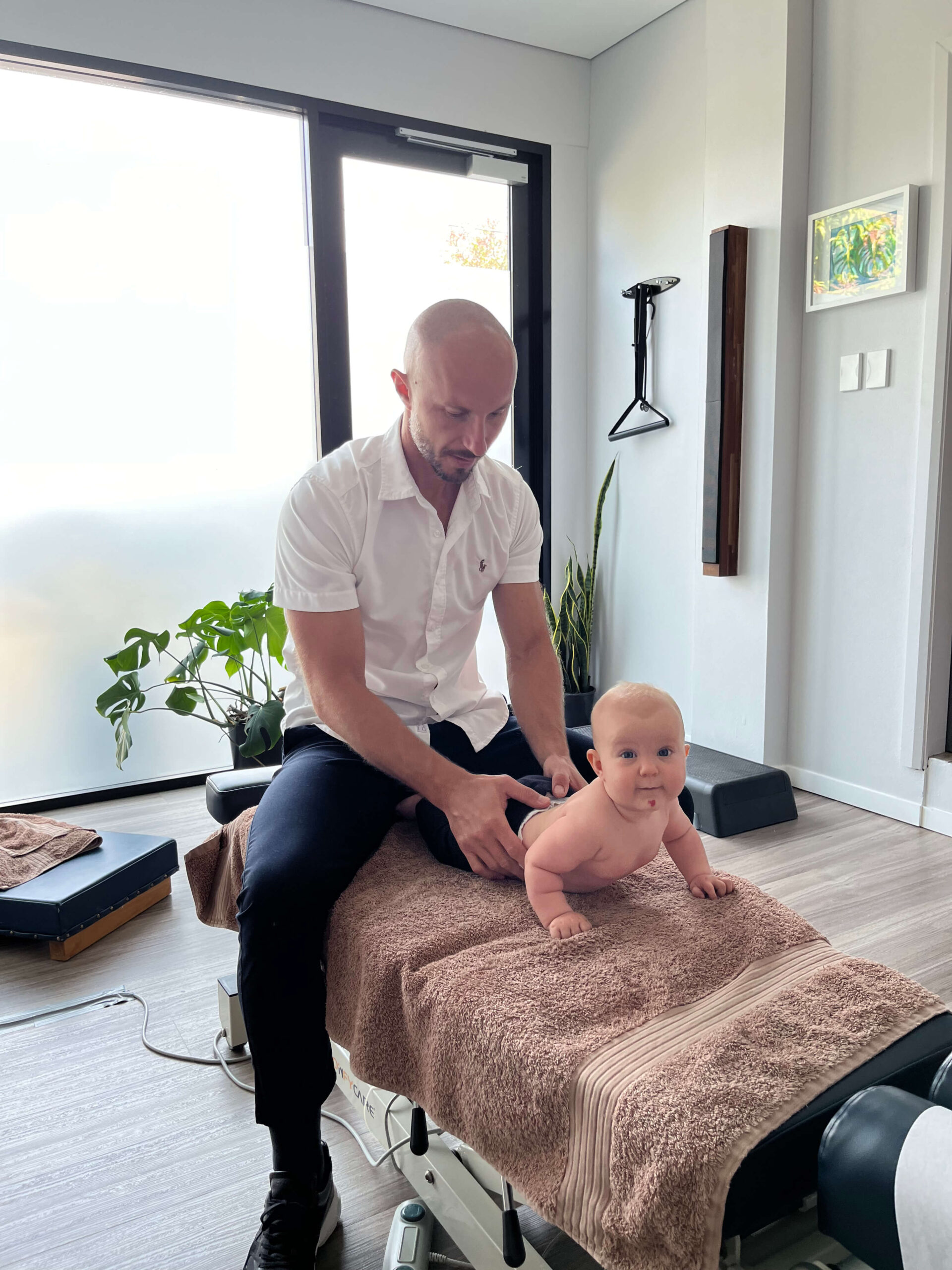
Healthy movement early in life helps build strong foundations later. By gently checking spinal function during key growth stages, chiropractic care can help support balanced development and reduce the likelihood of future compensations.